

HTRO membranes for hot industrial water.
GREENVI™ is developing High-Temperature Reverse Osmosis (HTRO) membranes and modules designed to treat challenging industrial water streams at elevated temperatures, including Steam-Assisted Gravity Drainage (SAGD) produced water and thermally demanding process waters.
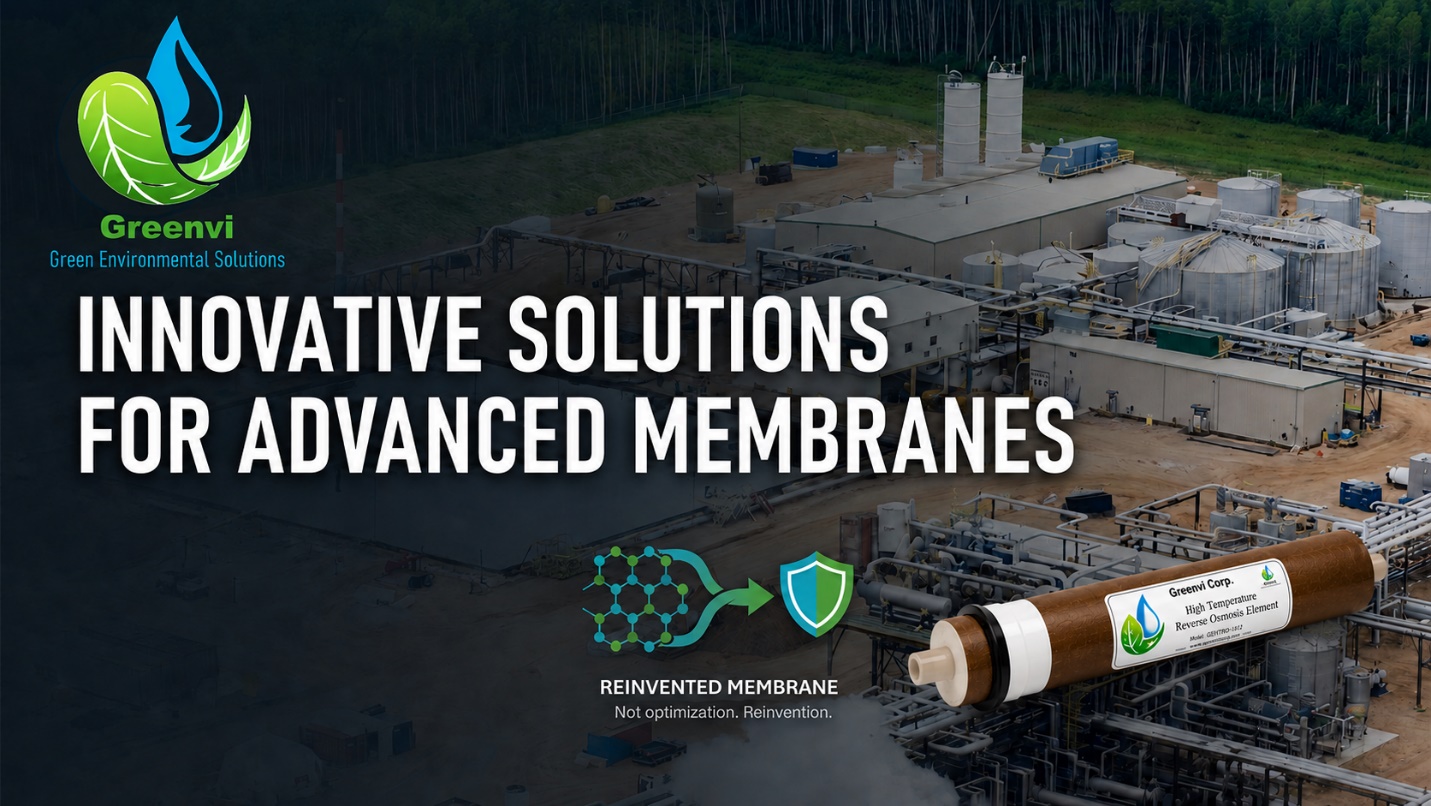 High-Temperature Reverse Osmosis (HTRO) Element
Treating hot, saline, silica-rich water is hard.
SAGD and thermal operations require large volumes of water for steam generation. Produced and process waters can contain high salinity, silica, hardness-forming ions, organic foulants, and temperatures around or above 90°C.
What HTRO is designed to address
- Elevated-temperature operation beyond conventional Reverse Osmosis (RO) limits.
- High dissolved solids, silica, hardness, and organic compounds.
- Membrane degradation, fouling, scaling, and shortened service life.
- Energy-intensive treatment trains such as evaporation or distillation.
An integrated membrane-and-module platform.
The HTRO platform is based on advanced thin-film composite reverse osmosis membrane technology designed for enhanced thermal stability, mechanical durability, water permeability, and contaminant rejection.
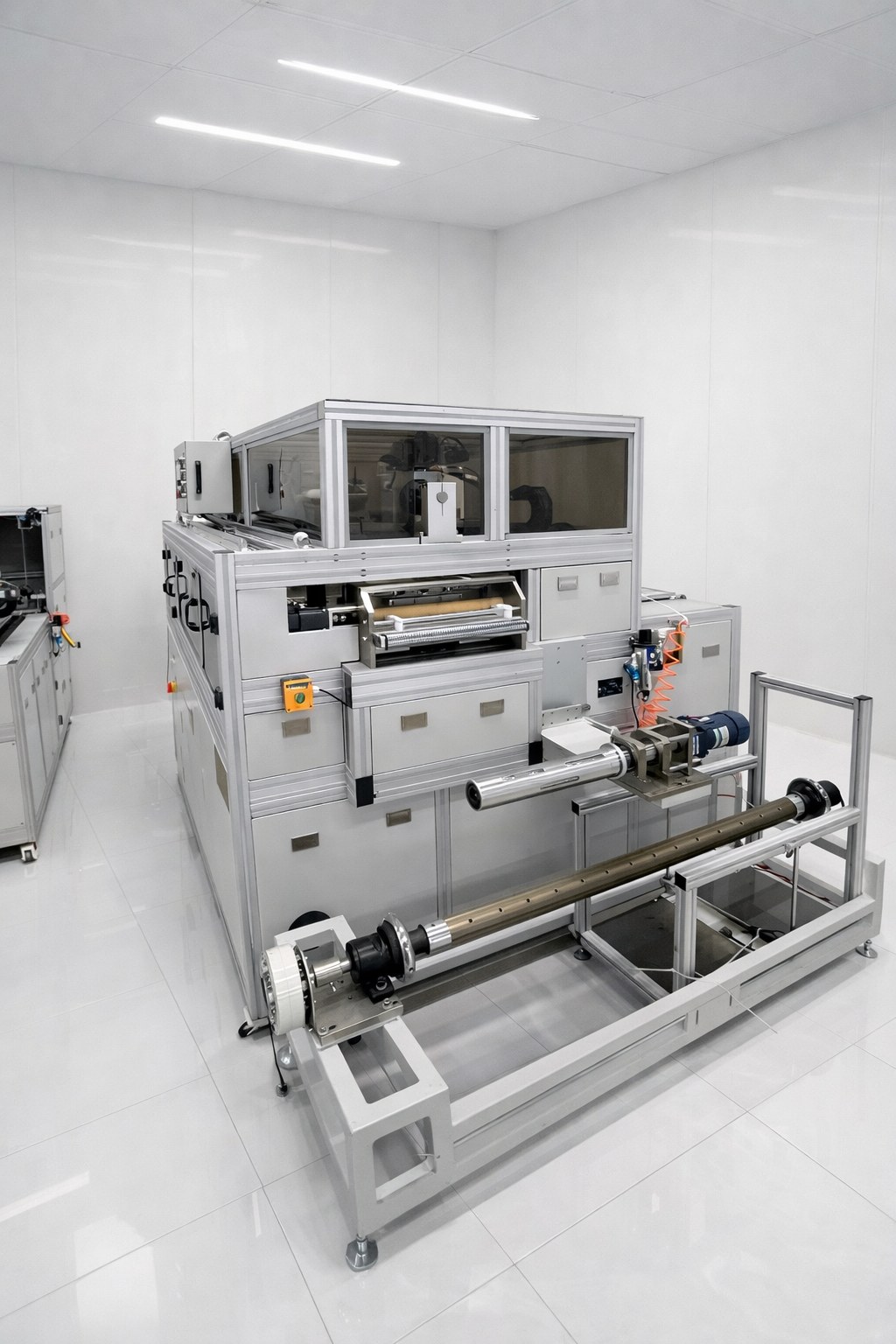 Spiral-Wound Module Fabrication Line
Built for practical deployment
GREENVI™ is developing compatible spiral-wound modules using thermally stable materials, adhesives, spacers, and sealing components suitable for high-temperature operation. The goal is a complete membrane and module system capable of withstanding thermal and mechanical stress.
Focused on reliability under demanding conditions.
| Performance area | Development focus |
|---|---|
| Elevated-temperature operation | Designed for challenging high-temperature industrial water streams. |
| Water permeability | Engineered to support efficient water transport under demanding thermal conditions. |
| Salt rejection | Designed to maintain strong contaminant rejection performance. |
| Silica rejection | Developed to support treatment of silica-containing process waters. |
| Thermal stability | Improved resistance to membrane degradation at high temperature. |
| Fouling and scaling resistance | Designed to improve durability in complex industrial streams. |
| Module compatibility | High-temperature spiral-wound modules for industrial deployment. |
Membrane module fabrication and roll-to-roll membrane casting capabilities.
High-Temperature Reverse Osmosis (HTRO) Element
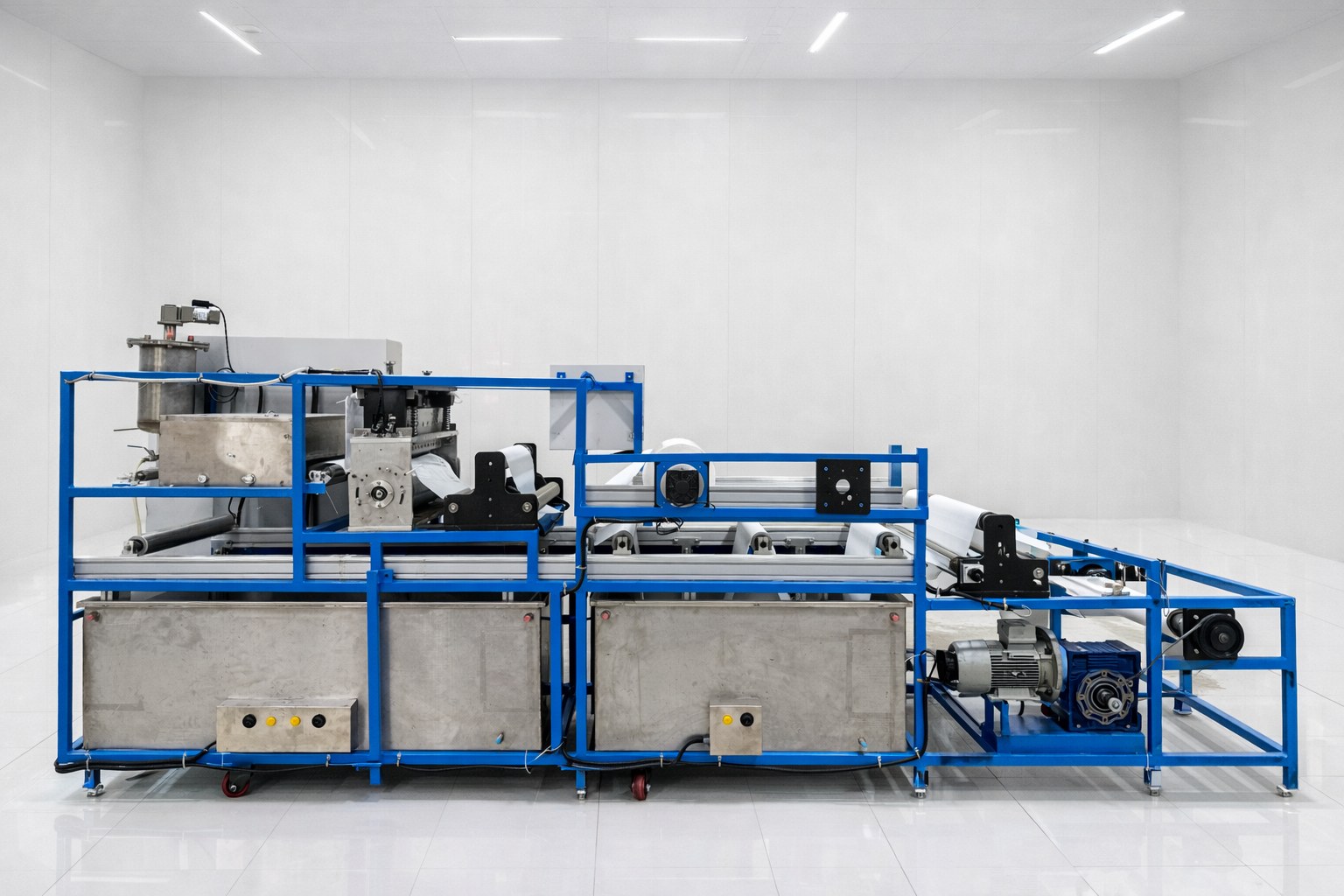 Casting Machine for Roll-to-Roll Membrane Fabrication
Spiral-Wound Module Fabrication Line
Casting Machine for Roll-to-Roll Membrane Fabrication
Spiral-Wound Module Fabrication Line
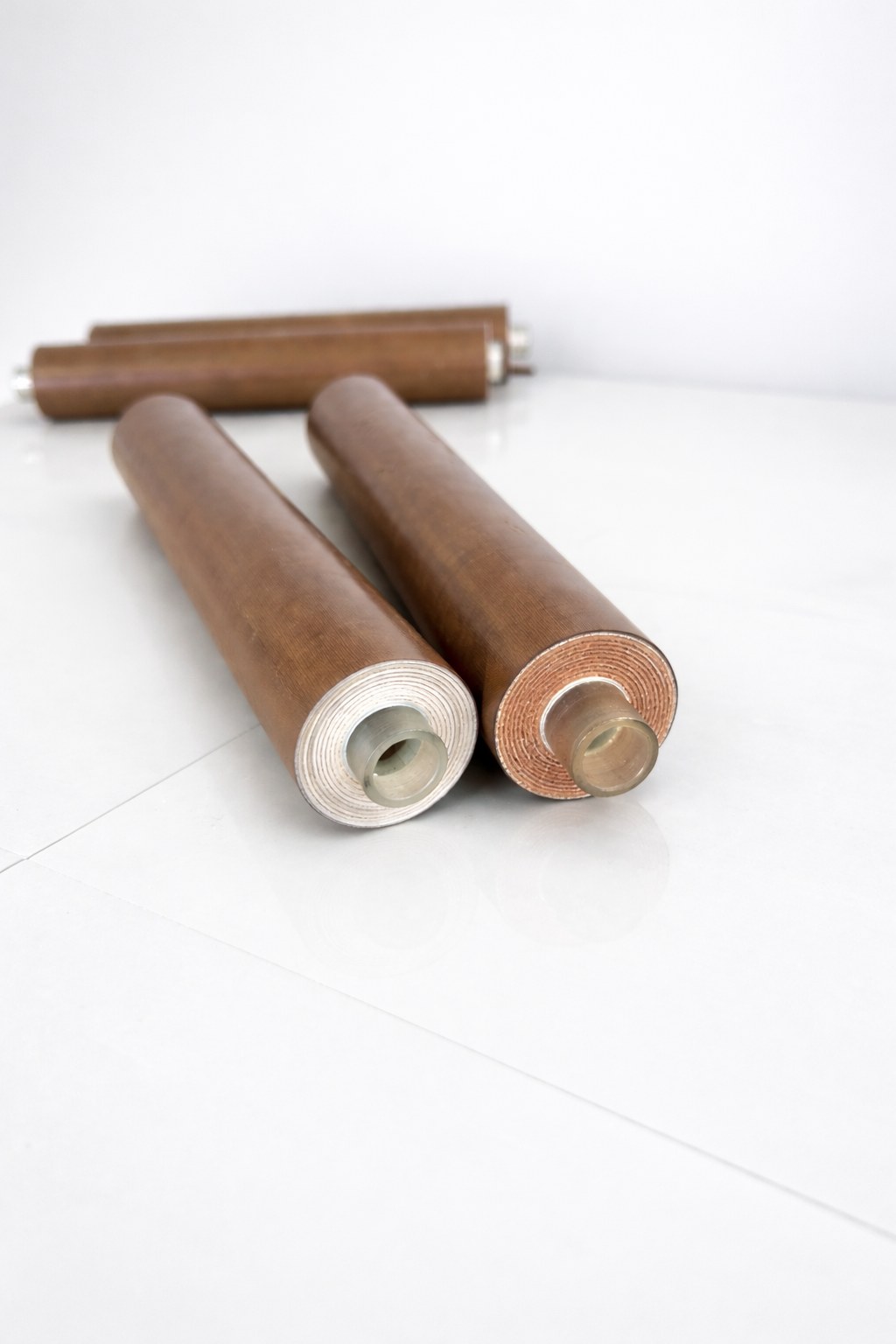 HTRO Module Elements
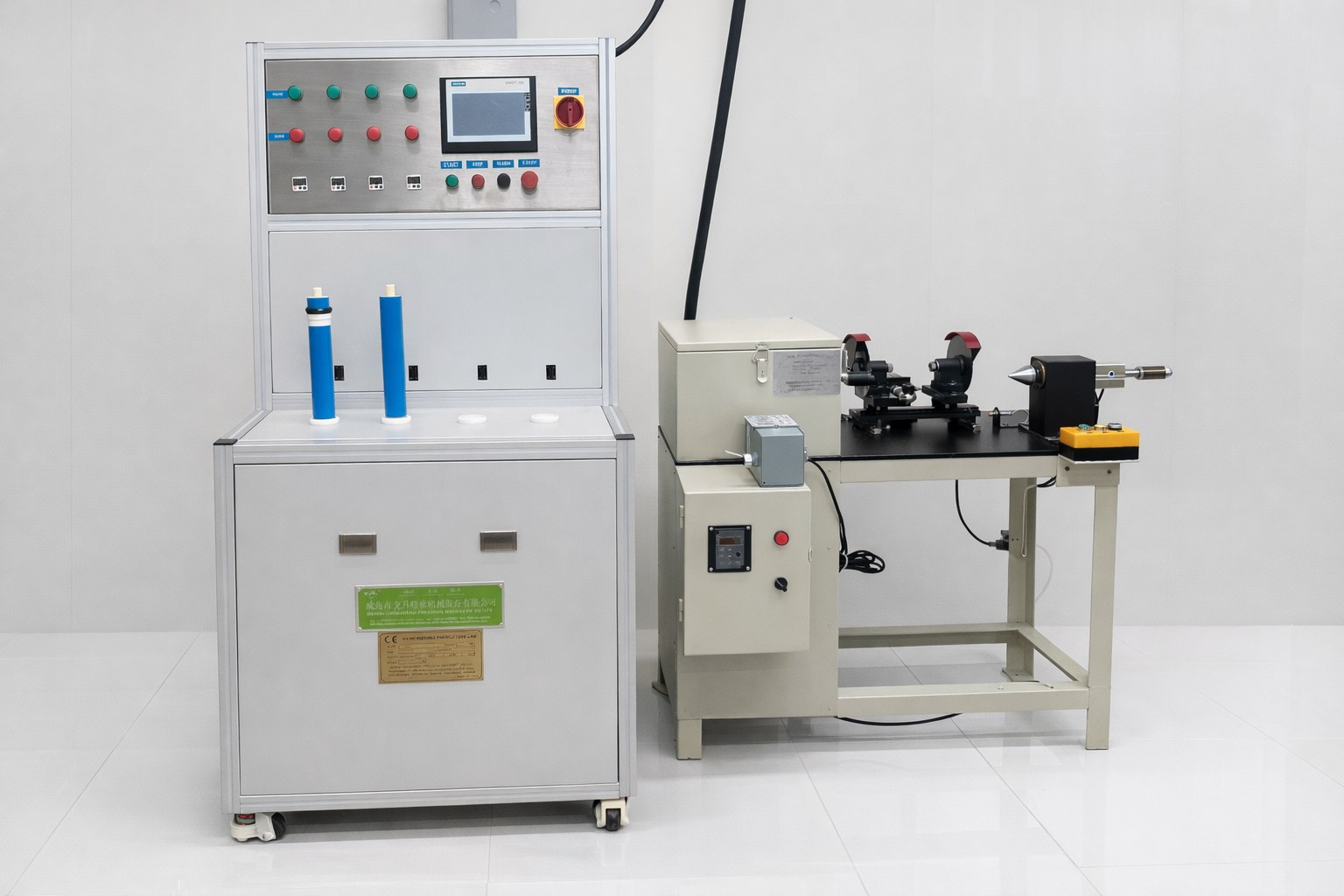 Cutting Machine & Quality Control Testing
Industrial waters where temperature changes the economics.
Produced water treatment
Treatment and recycling of high-temperature water streams in oil sands operations.
Boiler feedwater and blowdown
Improve water recovery and reuse in steam-generation systems.
Hot and saline industrial streams
Treat chemically complex wastewater where standard RO is constrained.
High-temperature geothermal water
Membrane-based treatment of geothermal process waters.
Power generation facilities
Water reuse and contaminant removal in thermally demanding facilities.
Resource extraction process water
Treat salts, silica, hardness, and organic contaminants in challenging water loops.
Validate HTRO with your water chemistry.
GREENVI™ is seeking collaboration with oil and gas operators, technology providers, research organizations, and water treatment companies interested in high-temperature membrane testing and pilot validation.
